10 min read · Group Dining
An Ugly Dumpling catering search often starts with a simple idea: dumplings would be fun for the office, a birthday, or a family gathering. Turning that idea into a successful meal takes more than multiplying a regular order. You need confirmed availability, realistic portions, suitable transport, clear dietary communication, and a plan for serving food promptly.
TheUglyDumplingMenu.com is independent and not affiliated with Ugly Dumpling, the New Jersey-founded dumpling and boba chain. This article does not confirm that any branch offers formal catering, trays, staffed events, or bulk discounts. It explains how to investigate those possibilities and how to organize a large regular order if the restaurant accepts one. All arrangements require direct confirmation.
Establish whether catering is actually available
Start by identifying the restaurant that would prepare the food. Use the locations guide, then verify the branch's current contact details. A chain name alone does not establish which kitchen serves your venue or whether a location accepts advance group orders.
Ask whether the restaurant offers a dedicated catering program, large takeout orders, or neither. These are different services. Formal catering may involve special packaging, minimums, delivery arrangements, or equipment. A large takeout order may simply consist of normal portions packed for collection.
Explain the date, desired serving time, approximate guest count, and venue. Staff can give a more useful answer when they know the scale of the request. Do not promise coworkers a dumpling buffet until the restaurant has confirmed it can handle the order.
Choose a format before choosing dishes
The event format determines many of your decisions. A seated lunch with plates and tables can support shared dishes more easily than a standing reception. A meeting with short breaks needs easy distribution, while an open house raises questions about how long food will remain out.
Individual meals simplify labeling and portion allocation but can create more packaging. Shared trays, if available, may offer flexibility but require utensils, accessible serving space, and attention to dietary separation. Neither format is automatically cheaper or better.
Browse the menu overview to build a shortlist in categories. Ask the restaurant which available dishes hold up best under your actual service conditions. Food that is excellent immediately after cooking may lose its intended texture after a long journey or extended buffet service.
Write a useful event brief
A short written brief helps prevent contradictory conversations. Include one contact person, the venue address, an accurate event date, the intended eating time, and the number of guests. Separate confirmed information from estimates, especially if attendance is still changing.
Describe practical obstacles such as stairs, security check-in, loading restrictions, or a reception desk that cannot accept unattended food. Delivery to a street address is not necessarily delivery to your meeting room. Ask who is responsible for moving the order inside and arranging it.
| Detail | Why the restaurant needs it | What to confirm |
|---|---|---|
| Guest count | Determines production and packaging | Deadline for final numbers |
| Serving time | Guides preparation and transport | Arrival window versus eating time |
| Venue access | Affects handoff feasibility | Parking, security, and stairs |
| Dietary needs | Requires ingredient review | Separate meals and labels |
| Service format | Changes supplies and portions | Individual boxes or shared containers |
| Contact person | Prevents mixed instructions | Reachable phone during handoff |
Keep this brief updated rather than spreading changes across several message threads.
Estimate portions from actual serving information
Dumpling counts alone are a weak way to predict how much food a group needs. Size, filling, accompanying dishes, appetite, and meal timing all matter. Ask how many portions a proposed container is intended to provide and whether that estimate assumes a full meal or an appetizer spread.
Use a simple calculation only after those facts are known. If a verified tray serves a stated number of people, divide the guest count by that number and round up as appropriate. Then discuss whether the rest of your menu changes the estimate. Do not treat a hypothetical tray size as a confirmed restaurant offering.
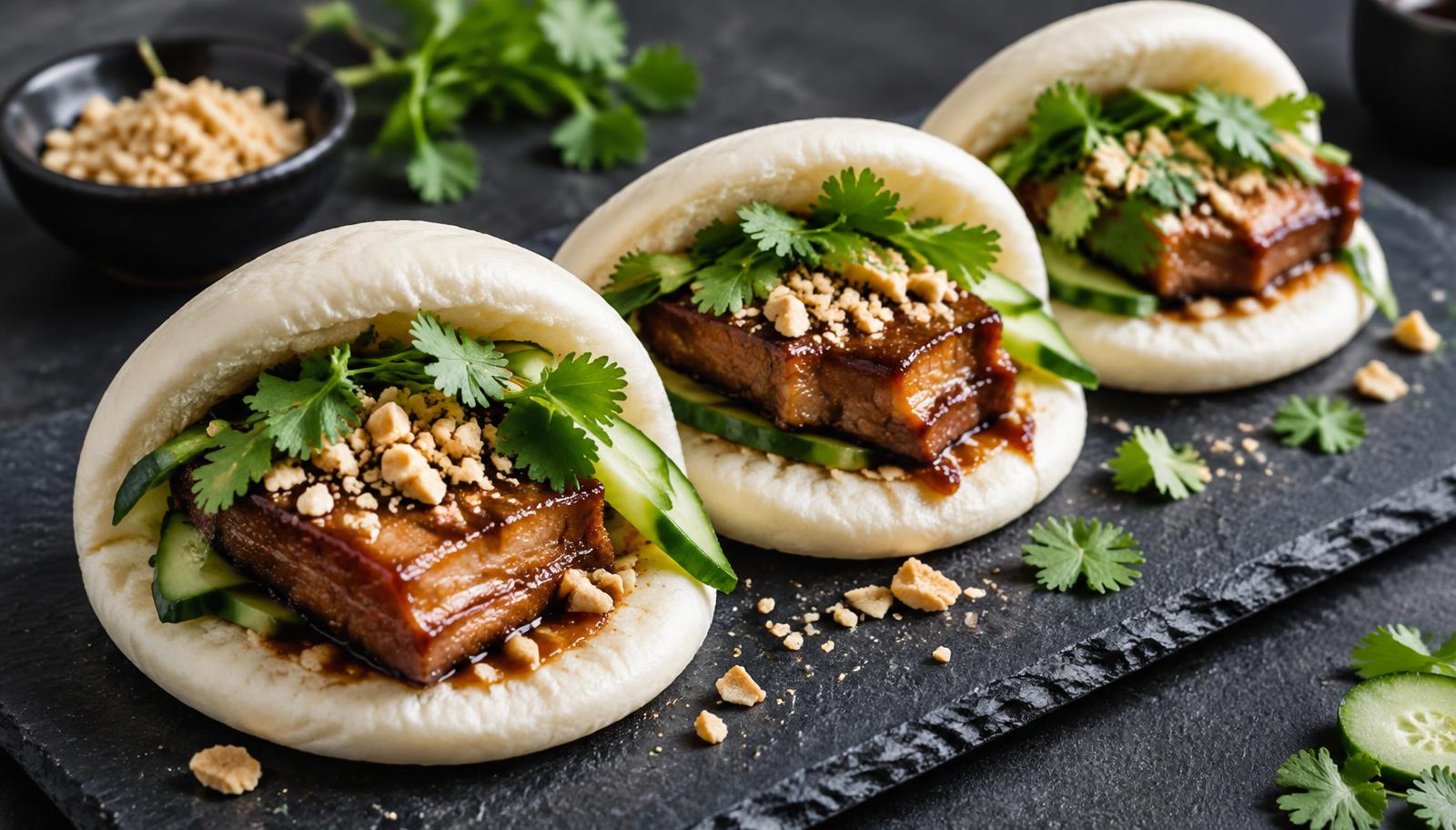
The dumpling guide and bao guide can help you compare textures and formats. A large bun and a small dumpling should not be counted as interchangeable units simply because both arrive in pieces.
Build variety without making service complicated
Aim for a focused menu with distinct roles: a dumpling centerpiece, a substantial accompaniment, and any verified dietary meals. Too many nearly identical dishes can create sorting problems without adding meaningful variety. Clear, recognizable labels often matter more than having the longest menu.
Consider how guests will eat. Slippery noodles, liquid-filled dumplings, and sauce-heavy dishes may need suitable bowls or utensils. If people are balancing plates on their laps, ask which available foods are practical in that setting rather than choosing solely from photographs.
The noodles and rice guide offers useful comparison points. Ask whether sauces should be packed separately and whether the restaurant recommends combining components immediately or at service. Avoid assuming that all foods can wait equally well.
Make dietary accommodation a separate workstream
Collect restrictions privately and early. Ask guests what they need rather than asking a colleague to interpret their requirements. Vegetarian, vegan, gluten-free, and allergy-related requests are not interchangeable. A vegetable filling can still include animal-derived seasoning or wheat-based ingredients.
Use the vegetarian and vegan guide and allergen information guide to prepare questions. The restaurant must verify actual recipes and procedures. If it cannot accommodate a guest safely, organize an alternative meal rather than asking that person to pick around ingredients.
Keep verified dietary meals individually labeled and separate from communal dishes. Provide separate utensils and explain the arrangement to the person serving. Do not let an enthusiastic helper combine trays or move sauces between containers in a way that defeats the original plan.
Calculate the complete budget
A catering budget includes more than menu prices. Ask about packaging charges, delivery, service fees, taxes, minimum orders, deposits, and any required staffing or equipment. Clarify whether gratuity is included and what each listed fee actually covers.
The prices guide is a planning aid, not a catering quote. Request a written itemized total for the precise date, branch, and order. If the guest count changes, ask for a revised total rather than estimating the difference yourself from a menu screenshot.
An example budget method is to start with the full available amount, reserve money for confirmed fees and supplies, and allocate the remainder to food. Divide the final quoted total by the number of diners to compare alternatives. This produces a meaningful per-person figure without inventing restaurant prices or discounts.
Ask about lead time and change deadlines
Large orders can require more notice than a normal lunch. Lead time depends on kitchen capacity, date, menu, and order size. Ask directly when the restaurant needs your final commitment and whether the requested pickup or delivery window is realistic.
Confirm the deadline for changing guest count, removing dishes, adding dietary meals, or cancelling. Ask what happens to a deposit if an event is postponed. Weather, office closures, and attendance changes are easier to handle when the terms are understood before payment.
Keep written confirmation of the agreed order. A friendly phone conversation is useful, but details can be lost if several staff members handle the request. Read back the date and time, particularly when ordering well in advance or around a holiday.
Plan pickup or delivery as part of the meal
Pickup gives the organizer control over the route but requires enough space and suitable containers in the vehicle. Large orders should travel securely on a stable surface, not stacked precariously on a passenger seat. Ask how many bags or boxes to expect before sending someone on foot.
Delivery requires a clear handoff. Provide a reachable contact and an arrival location that the driver can actually access. Do not assume a third-party platform will handle a large order in the same way as restaurant-arranged delivery. Review the delivery guide for channel considerations.
Build a reasonable setup window into your schedule, but avoid ordering excessively early just to reduce anxiety. Extended waiting can hurt quality and food safety. Coordinate timing with the restaurant and the venue rather than relying on an arbitrary buffer.
Organize the serving station before food arrives
Clear a clean surface and arrange plates, utensils, napkins, and labels in the order guests will need them. Separate drinks from hot food if that reduces crowding. Keep sauces stable and clearly identified so a small spill does not disrupt the entire line.
Assign one person to receive the order and compare it with the itemized confirmation. Check labels and quantities before opening everything. If something is missing, contact the restaurant promptly with the order details rather than waiting until the meal is half finished.
For shared service, avoid mixing fresh food into an older container. Follow safe hot- and cold-holding practices appropriate to your setup. If the venue lacks suitable equipment, arrange prompt service and manageable batches rather than attempting an all-afternoon buffet.
Handle leftovers with a real safety plan
Decide in advance who will manage leftovers and where they can be refrigerated. Perishable food should not sit at room temperature indefinitely. General U.S. food-safety guidance is to refrigerate perishables within two hours, or within one hour when temperatures exceed 90°F. Time includes transport and serving, not just the period after the meeting ends.
Divide food into shallow containers for prompt cooling, and do not distribute leftovers that have been held unsafely. Reheating does not reliably fix food that has spent too long at unsafe temperatures. When appropriate, reheat leftovers to 165°F, checking the center rather than judging only by a hot container.
Quality and safety are different considerations. A dumpling can have a soft base after transport and still be safely handled; a crisp-looking dumpling can have an unsafe holding history. Track time and temperature rather than relying on appearance or smell.
Consider boba separately from the food order
Group drinks introduce their own questions about cup sizes, sweetness choices, caffeine, milk ingredients, toppings, and labeling. A complicated drink spreadsheet can slow distribution more than a varied food order. Ask which options the restaurant can reliably prepare and identify at your scale.
Read the boba drink guide before collecting preferences. Do not assume every guest wants a caffeinated drink or chewy toppings. Provide an alternative beverage plan, especially for children or anyone avoiding particular ingredients.
Ask how drinks should be transported and how soon they should be served for best quality. Keep cups upright and separate from hot food. If labels are unclear, do not guess which drink meets a dietary requirement; verify it before handing it to the guest.
Use a final confirmation checklist
The day before the event, or at the interval requested by the restaurant, review the final guest count, menu, total, payment status, arrival window, and contact number. Check that dietary meals remain clearly specified and that any agreed supplies are included.
Tell your internal team who is collecting or receiving the food, who is setting up, and who can authorize a change. A single decision-maker prevents duplicate calls and conflicting instructions. Keep the order confirmation accessible on a phone or printed page during the handoff.
After the event, record what worked: actual attendance, dishes consumed first, packaging issues, and transport time. Those observations are more useful for a future order than an unsupported claim that a certain number of dumplings always feeds a certain number of people.
Frequently Asked Questions
Does Ugly Dumpling offer catering at every location?
This guide does not verify chainwide catering availability. Contact the exact restaurant and ask whether it offers formal catering, large takeout orders, or another arrangement. A branch that accepts a large order may still have limits on timing, packaging, delivery, and menu selection.
How many dumplings should I order per guest?
There is no reliable universal number. Ask about the size and intended serving of the available dishes, then account for other food, appetite, and event length. Use confirmed portion information instead of treating every dumpling as the same size.
Can I request individually packaged meals?
Ask the restaurant whether that format is available and whether it changes cost or lead time. Individual packaging can simplify distribution and labeling, but it does not automatically resolve allergy or cross-contact concerns. Those need a separate discussion.
Are bulk discounts guaranteed?
No. Do not assume a large order qualifies for a discount, free delivery, or waived fees. Request an itemized quote and compare the full total. Confirm any promotion in writing before using it to set a per-person budget.
What is the most important planning step?
Confirm the restaurant's ability to fulfill your specific event before collecting money or promising a menu. A clear written agreement covering food, timing, dietary needs, payment, and handoff prevents more problems than adding extra dishes at the last minute.
Planning your Ugly Dumpling order?