9 min read · Guides
A practical guide to bao buns
Good food decisions become easier when the language, preparation, and practical details are clear. This guide focuses on what you can check and do, rather than promising that one dish or one ordering choice suits everyone. Use it to plan a meal that fits your appetite, preferences, time, and budget.
TheUglyDumplingMenu.com is an independent informational website, not affiliated with Ugly Dumpling. General cooking and food guidance here is not a claim about the restaurant’s recipes. Restaurant menus, service details, availability, and policies need confirmation with the specific location. Any prices are approximate and can change by location and ordering channel.
What bao buns actually are
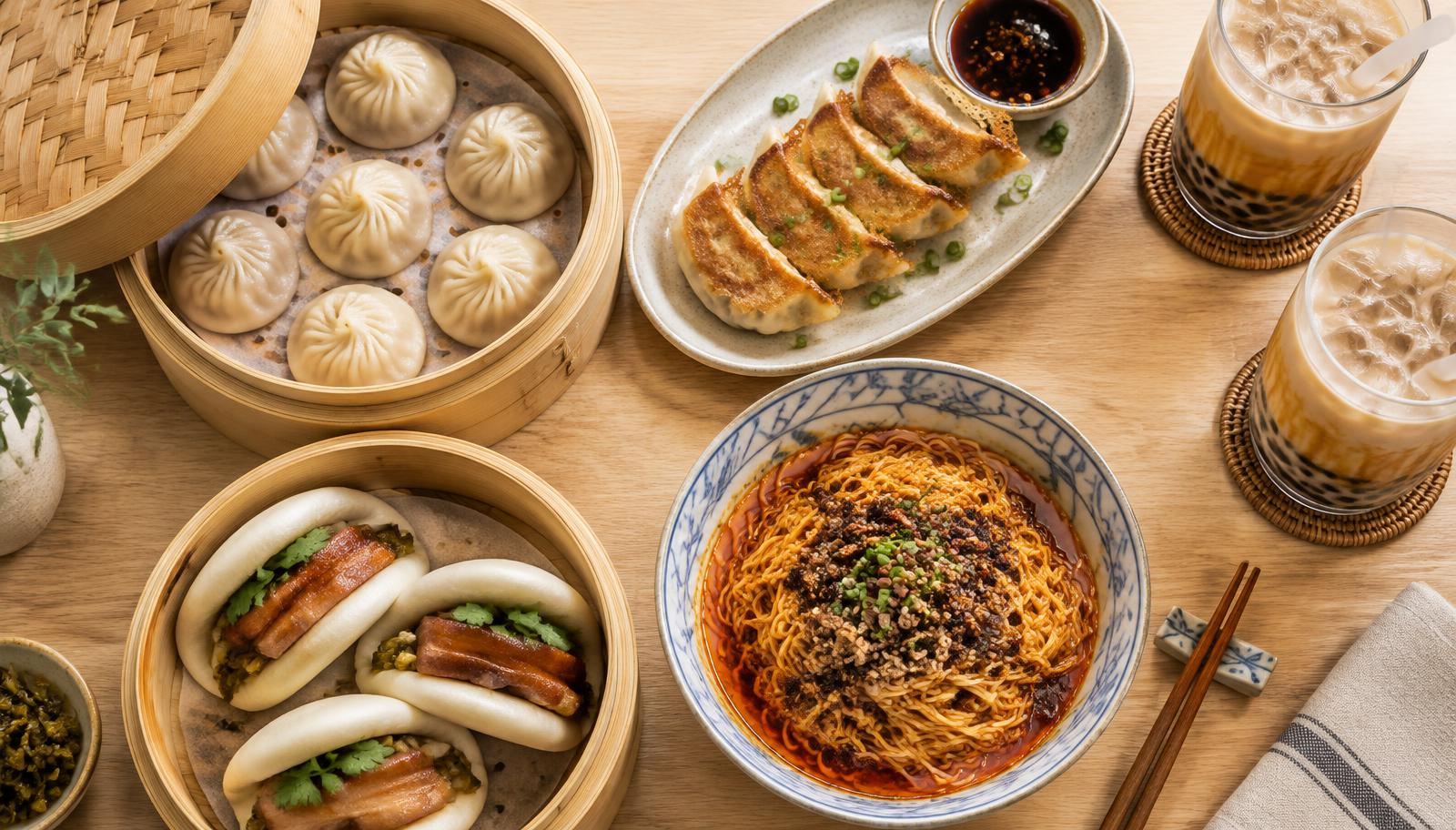
Bao commonly refers to buns, often made from yeast-raised dough. In English restaurant language, bao buns may mean enclosed filled buns or folded buns holding an exposed filling. The phrase alone does not identify one universal dish.
Ask whether a menu item is an enclosed steamed bun or an open folded bun. The distinction changes the dough-to-filling balance and how you pick it up or share it.
For related meal planning, see our full Ugly Dumpling menu. Use that overview to narrow your questions, then check the details relevant to your own order or recipe rather than treating a broad category as a guarantee.
Enclosed buns and folded buns
An enclosed bao surrounds its filling with dough, sometimes with pleats gathered at the top. A folded bun wraps around filling more like a soft sandwich. Both can be satisfying, but they are not interchangeable in every recipe.
Look at the written preparation description, not just a stock photograph. Restaurant terminology varies, and a menu may use a broad English label to make an unfamiliar food easier to recognize.
For related meal planning, see our dumpling menu guide. Use that overview to narrow your questions, then check the details relevant to your own order or recipe rather than treating a broad category as a guarantee.
Understanding the dough
Yeast-raised bao dough generally gives a fluffy, bread-like bite that differs from a thin dumpling wrapper. Recipes may include flour, water or milk, yeast, sugar, fat, and other ingredients in varying proportions.
Do not assume every pale bun is dairy-free, egg-free, or vegan. Dough ingredients and commercial mixes vary, and sauces or fillings introduce additional dietary considerations.
For related meal planning, see our bao menu overview. Use that overview to narrow your questions, then check the details relevant to your own order or recipe rather than treating a broad category as a guarantee.
Common savory filling styles
Braised pork, barbecue-style pork, chicken, mushrooms, tofu, and vegetables are examples found across different bao menus and home recipes. These are broad possibilities, not a guarantee of availability at a particular restaurant.
Consider moisture and contrast. Rich fillings benefit from something fresh or acidic, while a leaner filling may need a sauce to keep the full bite from feeling dry.
For related meal planning, see our noodles and rice guide. Use that overview to narrow your questions, then check the details relevant to your own order or recipe rather than treating a broad category as a guarantee.
Sweet buns and snack portions
Some steamed buns contain sweet bean pastes, custards, or other dessert fillings. A small bun can be a snack, part of a shared meal, or a sweet finish rather than a main course.
Confirm the flavor before ordering for someone expecting savory food. Appearance alone may not distinguish sweet from savory buns, especially when the filling is fully enclosed.
For related meal planning, see our boba drinks guide. Use that overview to narrow your questions, then check the details relevant to your own order or recipe rather than treating a broad category as a guarantee.
How to eat bao comfortably
Let freshly steamed buns cool before biting into them, particularly when the filling is moist. Hold a folded bun so the opening faces upward and support the bottom to reduce spills.
Check for a paper liner underneath an enclosed bun and remove it before eating. Tear a bun carefully if sharing, and remember that the center can remain much hotter than the outer dough.
For related meal planning, see our approximate menu prices. Use that overview to narrow your questions, then check the details relevant to your own order or recipe rather than treating a broad category as a guarantee.
Ordering enough without overdoing it
A bun order can be more filling than the piece count suggests because the dough provides substantial volume. Compare the number and size of buns with other dishes already on the table.
For variety, combine a bun order with vegetables and a contrasting dumpling style. Avoid assuming two buns equal two small dumplings when planning food for a mixed-appetite group.
For related meal planning, see our vegetarian and vegan guide. Use that overview to narrow your questions, then check the details relevant to your own order or recipe rather than treating a broad category as a guarantee.
Reheating and storing buns
Steam is often helpful for reviving soft buns, but the best method depends on the dough and filling. Follow the seller’s instructions when available and avoid repeated heating and cooling.
Refrigerate perishable leftovers promptly and reheat to a safe temperature. A microwave can toughen bread if used too aggressively, so use short intervals and check the center rather than judging only the surface.
For related meal planning, see our allergens and nutrition guide. Use that overview to narrow your questions, then check the details relevant to your own order or recipe rather than treating a broad category as a guarantee.
Compare what you actually want
Before making a choice, identify the result you want: a quick snack, a shared meal, a new texture, or a reliable familiar dish. Those goals lead to different decisions. A little planning prevents ordering several similar items and then wishing you had included a vegetable, a drink, or a more filling component.
Read descriptions closely and check the exact portion or serving format. A photograph can make an item look much larger or smaller than it is. When the description is unclear, one specific question about size, ingredients, or preparation is usually more useful than a general request for recommendations.
Make dietary questions specific
Dietary needs deserve a separate conversation from personal preferences. State the ingredient you need to avoid and ask about the whole preparation, including wrappers, broths, sauces, toppings, and shared equipment. A short category label cannot establish how something was made or whether it is appropriate for an individual restriction.
If staff cannot provide the information you need, do not turn uncertainty into an assumption. Choose a different dish or another meal. Independent guides can help you prepare questions, but they cannot inspect a kitchen, certify a product, or promise that a recipe has remained unchanged.
Keep a simple note for next time
After trying a new food or ordering method, record the exact item, portion, timing, and any changes you requested. A brief useful note beats a vague memory. This is especially helpful when several people share dishes and later remember different details about what was included.
Keep the record descriptive rather than absolute. Note whether you wanted more crunch, less sweetness, another side, or a shorter journey home. Your next decision can then reflect your own preferences instead of relying on a universal ranking that may have little to do with the meal you want.
A quick planning checklist
| Check | Why it matters |
|---|---|
| Exact item or location | Similar names can describe different things |
| Ingredients and preparation | A name is not a complete recipe |
| Portion and extras | Piece counts do not tell the whole story |
| Timing and storage | Quality and safety depend on handling |
| Final cost | Add-ons and ordering channels can change totals |
Use the checklist before you commit, not after the food arrives. It is easier to select a suitable item, prepare the right equipment, or choose a different pickup time in advance than to correct a mismatch at the table. For broader planning, our restaurant locations guide and independent site information explain the scope of the information available here.
Build a bao order around texture and timing
Bao are easiest to enjoy when you think about the contrast between a soft wrapper and its filling, rather than treating every bun as interchangeable. A fluffy, enclosed bun holds its shape well and can be eaten in a few careful bites; a folded bao exposes more of the filling and often lets sauces or crisp garnishes stand out. If you are ordering several styles for a group, choose a mix of textures and keep especially saucy items on a plate or napkin. That small bit of planning makes sharing less messy and helps the bread stay pleasant instead of damp.
Temperature is part of the experience, too. Steamed dough is tender when warm, and a filling may retain heat longer than its exterior suggests. Pause briefly after the first bite, especially with a freshly steamed bun, and avoid squeezing it hard: pressure can push hot filling out through the seam. For takeout, vent a container slightly if condensation is collecting; trapped steam can make the outside wet. Reheat gently and check the center before eating rather than relying only on the warmth of the wrapper.
For a balanced meal, pair a richer bun with a lighter side or share multiple fillings instead of ordering several nearly identical ones. A group can split one bun first, compare the seasoning, then decide whether to add another. If you are exploring the wider dumpling menu, consider how bao differ from boiled or pan-fried dumplings: the bun itself is a substantial part of the bite. Keep a note of favorite fillings and wrapper styles so your next order is based on what you liked, not just the name. When in doubt, ask how a particular bao is served and whether its filling is spicy, sweet, or especially saucy; a simple question can prevent surprises and help you choose a combination that suits the occasion.
Frequently Asked Questions
Where should I start with bao buns?
Bao commonly refers to buns, often made from yeast-raised dough. In English restaurant language, bao buns may mean enclosed filled buns or folded buns holding an exposed filling. The phrase alone does not identify one universal dish. Start with one clear goal and confirm the detail that matters most to you before moving on to extras.
Can I assume every location or product is the same?
No. Recipes, portions, schedules, ingredients, equipment, and service options can vary. Check the specific product instructions or restaurant details rather than transferring an assumption from another visit. A familiar name is useful context, not a promise of identical preparation.
How should I handle allergies or dietary restrictions?
Ask direct questions about ingredients and cross-contact, including sauces, wrappers, fillings, and toppings. Do not rely only on photographs or shorthand labels. If information is incomplete, choose a safer alternative instead of assuming an ingredient is absent.
Are prices on this website guaranteed?
No. Prices are approximate and may vary with location, date, portion, add-ons, taxes, and ordering provider. Check the current restaurant menu or final checkout for your exact order. A planning estimate is not a binding quote.
Does this guide represent Ugly Dumpling?
No. This website is independent and is not affiliated with Ugly Dumpling. General food explanations and home preparations are not official restaurant recipes or policies. Confirm restaurant-specific facts directly with the location before relying on them for a visit or order.
What is the most useful thing to check before serving?
Check that the food matches your dietary requirements and has been handled safely. For home cooking with raw meat, verify appropriate internal temperatures using a thermometer. For restaurant orders, address missing or incorrect items promptly and follow safe storage practices for leftovers.
Planning your Ugly Dumpling order?