9 min read · Guides
A practical independent guide
how to eat dumplings searches deserve clear answers, but accuracy also requires distinguishing confirmed details from assumptions. This article gives you a practical framework for planning a meal, checking current information, and deciding which questions need a direct answer from the restaurant. It does not turn a broad brand description into a promise about every individual location.
TheUglyDumplingMenu.com is an independent informational website, not affiliated with, endorsed by, or operated by Ugly Dumpling. Our independent site information explains that role. We cannot reserve tables, change orders, certify ingredients, guarantee opening dates, or resolve payments made to another business.
Prices are approximate whenever discussed. Any numerical example is an illustration unless explicitly identified otherwise, not a verified local quote. Confirm the current menu, total charges, and relevant service details with the exact restaurant or ordering channel you plan to use.
Good dumpling etiquette starts with comfort
Learning how to eat dumplings is less about performing a perfect ritual than enjoying the food safely and sharing considerately. Dumpling traditions vary by region, restaurant, household, and dumpling style. Treat any general guide as helpful context rather than a universal test of cultural knowledge.
If you need a fork, ask for one. If you are unsure whether a dumpling contains broth, ask before biting. Respect for the food and the people sharing your table matters more than handling chopsticks in a way that feels awkward or risks dropping hot food.
Use our dumpling menu guide to organize this part of your planning. Treat it as a starting point, then check any detail that could change your decision with the business responsible for providing the meal.
Identify soup dumplings before lifting
Soup dumplings require extra care because the wrapper contains hot liquid as well as filling. The brand menu describes placing the dumpling on a spoon, making a small opening, sipping the broth, and then eating the rest. Give the dumpling time to cool before beginning.
Do not swallow a steaming soup dumpling whole or assume the outside temperature tells you the broth is comfortable. Lift gently rather than squeezing the wrapper. If it tears, keep your hands clear of spilling broth and use your spoon rather than trying to catch the food.
Use our dumpling styles guide to organize this part of your planning. Treat it as a starting point, then check any detail that could change your decision with the business responsible for providing the meal.
Use the spoon as support
Bring the spoon close to the dumpling before transferring it so the distance is short. Chopsticks can help lift or guide it, but they do not need to puncture the wrapper. If the dumpling sticks to the liner, loosen it gently rather than pulling sharply.
Once supported, create a small opening with a careful bite or utensil and allow steam to escape. Sip only when comfortable. There is no prize for speed, and it is entirely reasonable to wait while the rest of the table begins eating a less temperature-sensitive dish.
Use our dumpling dipping sauce guide to organize this part of your planning. Treat it as a starting point, then check any detail that could change your decision with the business responsible for providing the meal.
Treat other dumpling styles differently
A pan-fried dumpling may have a crisp base that you want to preserve, while a boiled dumpling may carry a softer, slippery wrapper. Do not assume every dumpling needs the soup-dumpling technique. Ask what you have ordered and choose an approach that fits its structure.
For a large dumpling, take manageable bites over your plate or spoon. For smaller pieces, consider temperature before eating one whole. A crisp edge can break easily, so avoid vigorous squeezing or repeated attempts to rearrange it solely for a photograph.
Use our potstickers and dumplings comparison to organize this part of your planning. Treat it as a starting point, then check any detail that could change your decision with the business responsible for providing the meal.
Dip thoughtfully instead of soaking automatically
Taste a dumpling before covering it with sauce if you want to understand the filling. Add condiments gradually. Drowning a thin wrapper can make it harder to handle, and the same sauce ratio will not suit every filling or personal preference.
Use a personal dipping dish when available. Avoid returning a bitten dumpling to a communal sauce bowl. If you want to combine condiments, do it in your own dish rather than changing the shared mixture for everybody without asking.
Use our full menu guide to organize this part of your planning. Treat it as a starting point, then check any detail that could change your decision with the business responsible for providing the meal.
Share plates with clear communication
Before taking the final piece, check whether somebody has not tried that dish. Count portions when ordering, especially if the menu lists six dumplings but the group has four or five diners. Fair sharing is easier when the group knows how many pieces are coming.
Use serving utensils when provided, and ask for them if needed. Follow the table and restaurant context rather than assuming every setting has identical rules. For allergies, shared eating requires additional care and may not be appropriate even when ordinary etiquette is observed.
Use our allergen planning guide to organize this part of your planning. Treat it as a starting point, then check any detail that could change your decision with the business responsible for providing the meal.
Handle bao as a different experience
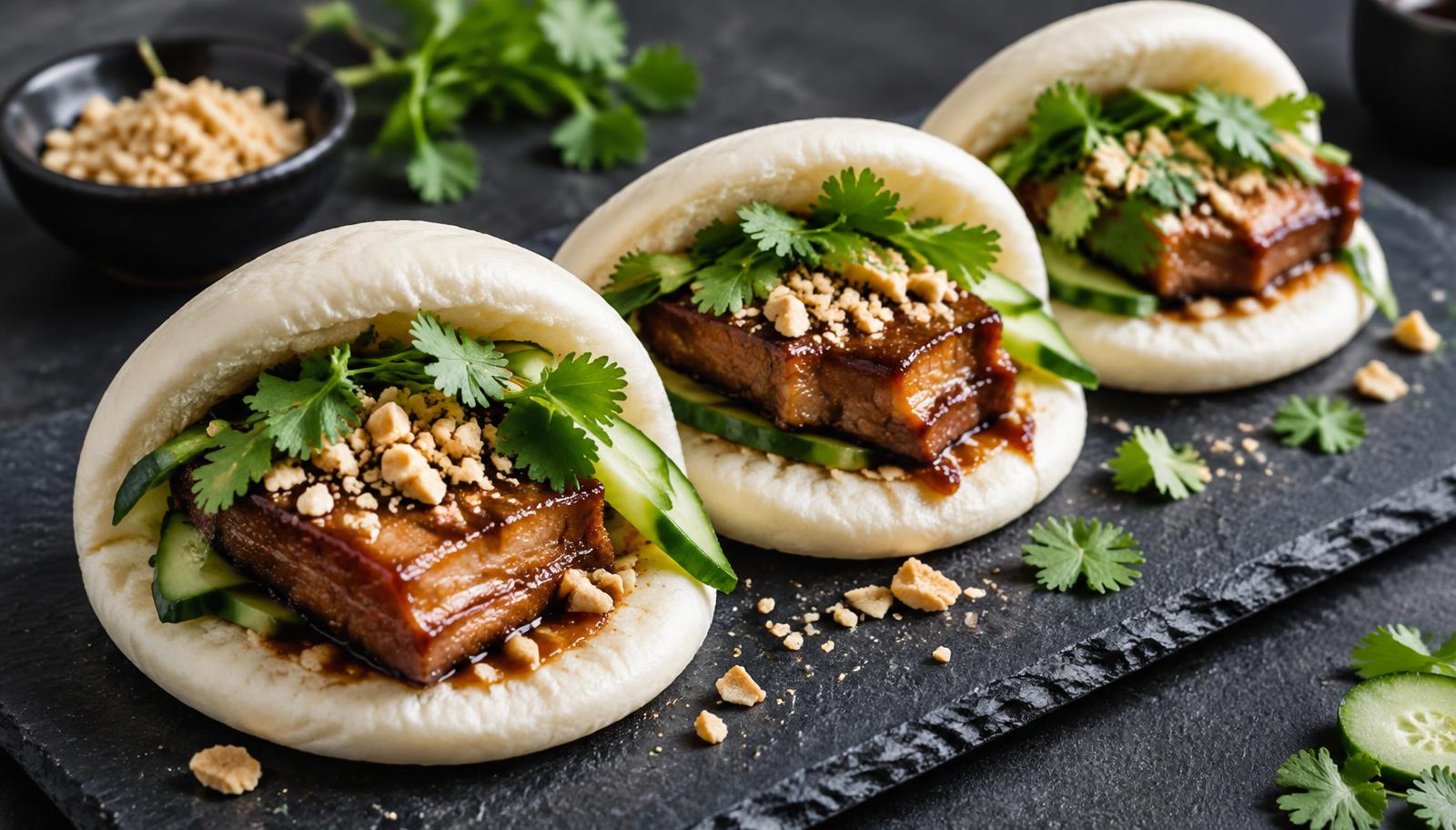
A fluffy bun and a thin-wrapper dumpling can require different bites, even when both arrive in steamers. Let hot fillings cool and keep the food supported. Check whether a paper liner needs removing before eating rather than biting through it absentmindedly.
Do not infer ingredients from shape alone. A bun may contain meat, vegetables, a sweet filling, or something else entirely. Ask about the exact item and read the description. Being curious is more useful than pretending to recognize every style at the table.
Use our bao menu guide to organize this part of your planning. Treat it as a starting point, then check any detail that could change your decision with the business responsible for providing the meal.
Make first-time diners feel welcome
Explain a hot-broth warning before someone takes a bite, but avoid turning the meal into a public lesson about everything they are doing wrong. Offer help, then let people choose their utensils and pace. A welcoming table encourages questions instead of embarrassment.
For children, cut or open food appropriately and check temperature carefully. Adults should supervise based on the childs age and needs. Do not assume a dumpling is child-friendly merely because it is small; filling temperature, texture, and individual choking risks still deserve attention.
Use our family dining guide to organize this part of your planning. Treat it as a starting point, then check any detail that could change your decision with the business responsible for providing the meal.
Published menu context
The restaurant menu page describes soup dumplings, dim sum, noodles, wok dishes, buns, and drinks. It also explains a careful spoon-based approach to eating soup dumplings. Those descriptions support general menu context, not a local promotion, an exact price, or an assurance about ingredients. 1
A final check before you commit
Make one short checklist instead of keeping several conflicting browser tabs open. Write down the exact location, the ordering channel, the food you want, the questions that remain unanswered, and the time you expect to eat. If a crucial detail is unknown, resolve it before paying or traveling rather than hoping the answer will be favorable.
For a group, appoint one person to confirm logistics while each diner remains responsible for communicating their own dietary needs. Share the final plan in one message so everyone has the same address, arrival time, and expectations. Clear communication prevents many avoidable mistakes without requiring an elaborate itinerary.
After the meal, distinguish an information correction from an operational complaint. An independent site can update its own coverage when given a reliable correction. Only the restaurant or ordering provider can handle missing food, refunds, reservation changes, or a charge made through its systems. Keeping those roles separate helps your question reach someone able to answer it.
Sharing a table with different preferences
Good table manners are less about memorizing rigid rules and more about making the meal comfortable for everyone. Before ordering several plates, check whether the group wants to share and whether anyone has dietary restrictions. Once food arrives, use serving utensils when provided, and avoid returning a bitten piece to a communal plate. If there are no serving tools, ask before using personal chopsticks to transfer food; a small request is more considerate than guessing.
Sauces are often easiest to manage individually. Put a modest amount in a side dish when available, dip lightly, and add more only if you want it. This keeps the main sauce clean for others and lets each diner control salt, spice, or acidity. Soup dumplings need particular care: transfer one at a time with a spoon, let the heat settle, and take a small opening bite before drinking the broth. If you are unsure how hot the filling is, waiting a moment is sensible, not impolite.
Chopsticks are useful, but they are not a test of skill. A fork or spoon is a reasonable option if it makes eating safer or more comfortable. Avoid stabbing food repeatedly or gripping a delicate dumpling so tightly that it bursts. For a shared plate, lift a piece carefully and let others know if the last one is being taken; offering it around is an easy courtesy.
Different dumplings call for different approaches, so follow the food rather than forcing one technique onto every style. The dumpling menu can help you spot options to share, while the guide to dumpling styles explains how wrappers and preparations differ. Ask staff if a dish arrives unfamiliar. A relaxed question, a clean serving habit, and attention to the group matter far more than perfect chopstick technique.
Frequently Asked Questions
Is this an official Ugly Dumpling website?
No. TheUglyDumplingMenu.com is independent and unaffiliated with Ugly Dumpling. It provides informational guides, not restaurant management or customer service. Contact the exact restaurant for reservations and kitchen questions, and contact the ordering provider for issues involving an order or payment processed through that provider.
Can I assume every location follows the same details?
No. Current menus, opening status, operating hours, preparation arrangements, promotions, and available ordering channels can differ. Select the exact address first. Then verify the details relevant to your visit, especially if one item, accommodation, or service arrangement is essential to your decision.
Are the prices here guaranteed?
No. Prices are approximate, and any hypothetical amounts are budgeting illustrations rather than verified quotes. Check the current menu or final checkout screen for the exact location. Taxes, service charges, delivery fees, additions, and any optional tip can change the amount you pay.
What should I check immediately before ordering?
Confirm the restaurant address, current service availability, the items you want, and the full price. If timing matters, check preparation or seating expectations. If ingredients matter for medical reasons, speak directly with the restaurant and do not treat a general menu description or an unchecked checkout note as confirmation.
What if online sources disagree?
Compare the exact address and the type of claim each source makes. A directory may establish a listed location without confirming current hours, while an old promotion may establish only a past offer. Seek direct confirmation when the disagreement affects travel, spending, timing, or a dietary decision.
Can I request an update to this guide?
Yes. Send an informational correction through our contact page and include the specific detail and a reliable source if possible. That does not contact restaurant staff or change an existing order. For urgent restaurant matters, use the restaurant or ordering provider directly rather than waiting for an editorial update.
Planning your Ugly Dumpling order?