10 min read · Guides
Understanding Ugly Dumpling vegetarian vegan starts with separating useful planning advice from claims that need local confirmation. This guide focuses on practical choices, clear questions, and realistic expectations rather than treating an old menu or a photograph as a current promise.
TheUglyDumplingMenu.com is an independent informational website and is not affiliated with Ugly Dumpling. Menu availability, recipes, customization, prices, and preparation practices must be verified with the restaurant. Prices are approximate, not guaranteed quotes.
Vegetarian and vegan are different requests
A vegetarian meal generally excludes meat and fish, while a vegan meal also excludes animal-derived ingredients such as eggs, dairy, and honey. Personal practices vary, so name the ingredients you avoid instead of relying entirely on a label. A restaurant employee may understand vegetarian differently from you, especially when stocks and condiments are involved.
A practical next step
Ask separately about eggs, milk, fish sauce, oyster sauce, meat stock, and animal fat. A mushroom filling can be plant-based in appearance while the complete dish contains an animal-derived seasoning.
Check the entire dumpling, not only the filling
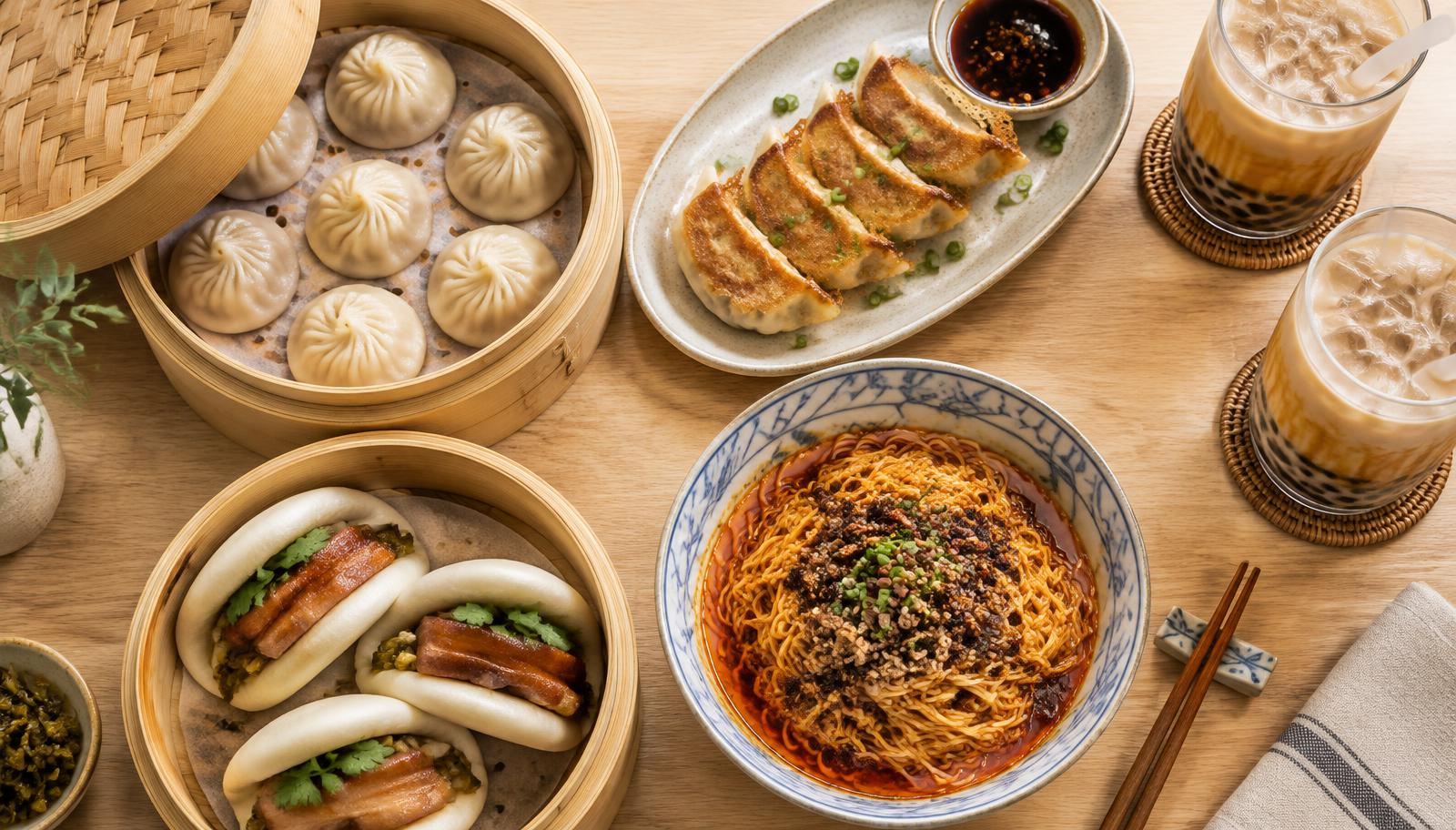
A dumpling has several ingredient layers: wrapper, filling, cooking medium, garnish, and sauce. Vegetables in the name do not establish the composition of those other layers. Wheat-and-water wrappers are common in some styles, but egg-containing wrappers also exist. There is no safe way to identify the recipe by color or thickness alone.
A practical next step
Ask whether the wrapper contains egg and whether the filling uses meat stock or seafood seasoning. A vegetable dumpling with an unsuitable wrapper is not made vegan by leaving off a garnish.
Broths and sauces deserve their own questions
Stock can be present in noodle dishes, rice dishes, vegetable preparations, and dipping sauces. A clear liquid is not proof of vegetable stock. Oyster sauce traditionally contains oyster ingredients, although vegetarian mushroom-based alternatives exist. Fish sauce is another ingredient that can disappear into a dish without being visually obvious.
A practical next step
Ask what provides the savory seasoning and whether a verified plant-based alternative is available. Do not assume that a brown sauce is oyster sauce, or that every brown sauce is vegetarian; ask about the actual product.
Bao and noodles need a separate check
A steamed bun can look plain while its dough, filling, glaze, or finishing ingredients do not fit a vegan diet. Noodle recipes also vary: some contain egg, while others do not. Rice itself is plant-derived, but a prepared rice dish may include egg, butter, stock, or animal-based sauce.
A practical next step
Ask about the completed dish, including finishing oil and toppings, rather than asking only whether the main starch is vegan. Removing a visible egg does not remove egg already incorporated into noodles or fried rice.
Build a meal around confirmed dishes
Once staff identify suitable items, choose a satisfying combination rather than relying on plain starch alone. A vegetable dish, a confirmed plant-based dumpling, and rice can provide contrasting textures if all are offered and suitable. Protein content depends on actual ingredients and portions; vegetables do not automatically provide the same protein as tofu or legumes.
A practical next step
Ask whether tofu or another plant-based protein is available and how it is seasoned. This is a meal-building framework, not confirmation that any particular dish appears on a local menu.
Milk tea can complicate a vegan order
Milk tea often includes dairy, condensed milk, or creamer. Some products called non-dairy can contain milk-derived ingredients such as caseinate. Plant milk availability does not establish that every other drink ingredient is vegan. Foams, puddings, powders, and toppings deserve the same attention as the liquid base.
A practical next step
Request an ingredient check for the base, creamer, foam, and toppings before ordering. A fruit-flavored drink may be easier to investigate, but its name alone does not verify a vegan recipe.
Cross-contact is a separate decision
Ingredient suitability and preparation separation are different questions. A dish made without animal ingredients may still share steamers, utensils, pans, or oil with other foods. Ethical preferences and medically necessary avoidance also require different conversations. Tell staff if an allergy is involved rather than presenting it only as a lifestyle preference.
A practical next step
Ask how shared equipment is handled and decide whether the answer meets your needs. If the restaurant cannot verify a medically necessary requirement, do not treat a menu label as a substitute for confirmation.
Verify the local details before making plans
Restaurant information can change between the time an article is published and the time you order. A menu item can sell out, a recipe can change, and an ordering channel can omit a modifier that staff can explain in person. Confirm the exact address and the current service method before relying on any online description.
When speaking with staff, separate factual questions from preference questions. First ask what is available and what it contains. Then ask which suitable option best matches your tastes. This prevents a friendly recommendation from being mistaken for a complete ingredient or allergy assessment.
If an answer is uncertain, ask whether someone can check the recipe or packaging. Do not pressure staff into a guess. Choosing a simpler verified option, or deciding not to order, is more sensible than treating uncertainty as reassurance.
Use a three-step comparison at the table
Start with the role of the item: is it the center of the meal, a small accompaniment, or a separate treat? Next consider how it changes the meal: more crunch, more richness, more sweetness, or simply more volume. Finally consider whether the portion and cost fit your plan.
| Decision | Useful question | Why it helps |
|---|---|---|
| Portion | Is this usually shared or eaten individually? | Names do not establish serving size |
| Preparation | What is cooked in advance? | Some modifications may be impossible |
| Ingredients | What is included beyond the main ingredient? | Sauces and toppings matter |
| Cost | What is the complete current total? | Extras and fees can change value |
| Timing | When should this be eaten or collected? | Texture changes during a wait |
This process works better than ordering a large number of items just because each sounds interesting. A focused meal can offer plenty of variety when the chosen components genuinely contrast.
Ask about ingredients without relying on visual clues
Appearance cannot reliably identify milk, egg, wheat, soy, sesame, peanuts, tree nuts, fish, or shellfish. A smooth sauce can contain ingredients that are invisible after blending, and a garnish may be only one small part of the allergen picture. Recipes also differ between products with similar names.
For a food allergy, name the specific allergen and ask about shared utensils, preparation surfaces, steamers, fryers, and storage where relevant. Ingredient avoidance and cross-contact control are separate matters. A dish prepared without one ingredient is not automatically suitable for someone who must avoid traces of it.
For preferences rather than allergies, explain that distinction honestly. It helps staff understand the question without diluting a medically necessary request. If the restaurant cannot provide a reliable answer for a requirement that affects your safety, choose another option instead of relying on a general guide.
Budget for the whole experience
Any price discussion in this article is approximate. Current local prices may vary by portion, location, ordering channel, and date. Ask for the current amount or read the final checkout screen rather than treating a remembered number as binding.
A practical budget has separate lines for food, drinks, and transaction costs. This makes it easier to see whether an optional addition is worth it to you. Delivery charges, service fees, tax, and tips can all affect the final amount, and the wording of each charge deserves attention.
Value is personal. Someone seeking a quick solo meal may prefer fewer dishes and a simpler drink, while a group exploring textures may reasonably spend more on variety. Neither approach is inherently better; the useful comparison is whether the order delivers the experience you actually want.
Plan pickup and sharing with a little care
For takeaway, check containers and drinks against the receipt before leaving when practical. Ask staff to identify any dietary-specific items rather than guessing by appearance. Keep sauces separate if that is available and helps preserve texture or meet a confirmed preference.
At a shared table, use serving utensils and individual sauce dishes when appropriate. Keep a dish reserved for someone with a restriction separate from communal dipping and casual utensil swapping. These simple habits do not replace kitchen controls, but they avoid undoing the care taken when ordering.
Eat promptly when possible. Crisp surfaces soften in closed containers, delicate wrappers can stick, and drink toppings change texture over time. Those changes do not automatically indicate unsafe food, but they can affect the experience you were trying to choose.
Make the second visit more useful than the first
After eating, note the item name, location, preparation, and what you liked. A description such as crisp base with mild filling is more useful than simply writing good. Record any requested changes as well, since the next order may otherwise arrive differently.
Keep recommendations proportionate to what you actually tried. Enjoying one preparation does not establish that an entire menu category is identical, and a single unavailable item does not prove it has disappeared everywhere. Personal notes should guide your next question rather than become claims about the whole business.
If you share a recommendation with someone else, mention the preferences behind it. A person who enjoys strong chili heat may need a different suggestion from someone who values mild flavors or a lighter meal. The best recommendation gives enough context for the other person to decide.
Helpful guides for the next decision
Use these independent resources to compare categories and prepare questions. They are navigation aids, not official confirmation of current availability or suitability.
- Ugly Dumpling menu overview for organizing the main food categories.
- Dumpling styles and menu guide for wrapper and cooking-method vocabulary.
- Bao menu guide for bun-related questions and portion comparisons.
- Noodles and rice menu guide for building a more substantial meal.
- Boba drinks menu guide for bases, toppings, and customization questions.
- Approximate Ugly Dumpling prices for budget-planning considerations.
- Vegetarian and vegan menu guide for ingredient checks beyond the dish name.
- Allergens and nutrition guide for limitations of menu descriptions.
- Ugly Dumpling location information for identifying the restaurant you mean to contact.
Use the page relevant to your next question rather than assuming that reading several guides replaces a direct ingredient or availability check. An independent article can explain what to ask; only the business preparing your food can explain its current recipe and procedures.
For a related next step, read our gluten-free ordering questions. Use the advice that fits your situation and verify any product-specific or location-specific details before acting.
Frequently Asked Questions
Are vegetable dumplings always vegan?
No. A vegetable filling does not verify the wrapper, stock, seasoning, oil, garnish, or sauce. Some recipes include egg or animal-derived condiments. Ask about the whole dish and shared preparation. When staff cannot verify a component, do not assume that its absence from the item name means it is absent from the recipe.
Is this an official Ugly Dumpling guide?
No. TheUglyDumplingMenu.com is an independent informational site, not affiliated with Ugly Dumpling. This article explains general concepts and practical questions. It does not speak for the restaurant, confirm a current menu, or establish that a particular ingredient, preparation, price, or customization is available.
Can I use appearance to judge ingredients?
No. A photograph or finished dish cannot reliably reveal all ingredients. Sauces, wrappers, stocks, oils, and toppings may introduce ingredients you are avoiding. Read packaged ingredient information when cooking at home, and ask the restaurant directly when ordering. For allergies, discuss cross-contact as well as the recipe.
Are prices in this guide exact?
No. Any prices or budgeting amounts are approximate and should not be treated as current restaurant quotes. Local menus, portions, ordering channels, and fees can change. For groceries, package size and shop also affect cost. Confirm the complete current total before making a purchase.
How should I choose portions for a group?
Start with the role of the dumplings in the meal and the size of the actual product or restaurant serving. A snack needs a different plan from a complete dinner. Account for accompaniments, appetite, dietary requirements, and whether leftovers can be stored safely. Piece count alone is not a reliable measure.
What if I need a vegetarian, vegan, or gluten-free option?
Verify every component instead of relying on a short dish name. Wrappers, seasonings, sauces, cooking fats, and toppings matter. Read the labels of packaged products or ask staff to check the current recipe. A suitable ingredient list does not automatically establish appropriate cross-contact controls for a medical requirement.
What should I do when instructions or information conflict?
For packaged food, prioritize the manufacturer’s current product-specific safety and cooking instructions over a general article. For restaurant availability and recipes, ask the actual restaurant. If an important safety or allergy question remains unresolved, do not guess. Choose a clearly suitable alternative or seek qualified guidance for the requirement involved.
Planning your Ugly Dumpling order?