 The Ugly Dumpling Menu
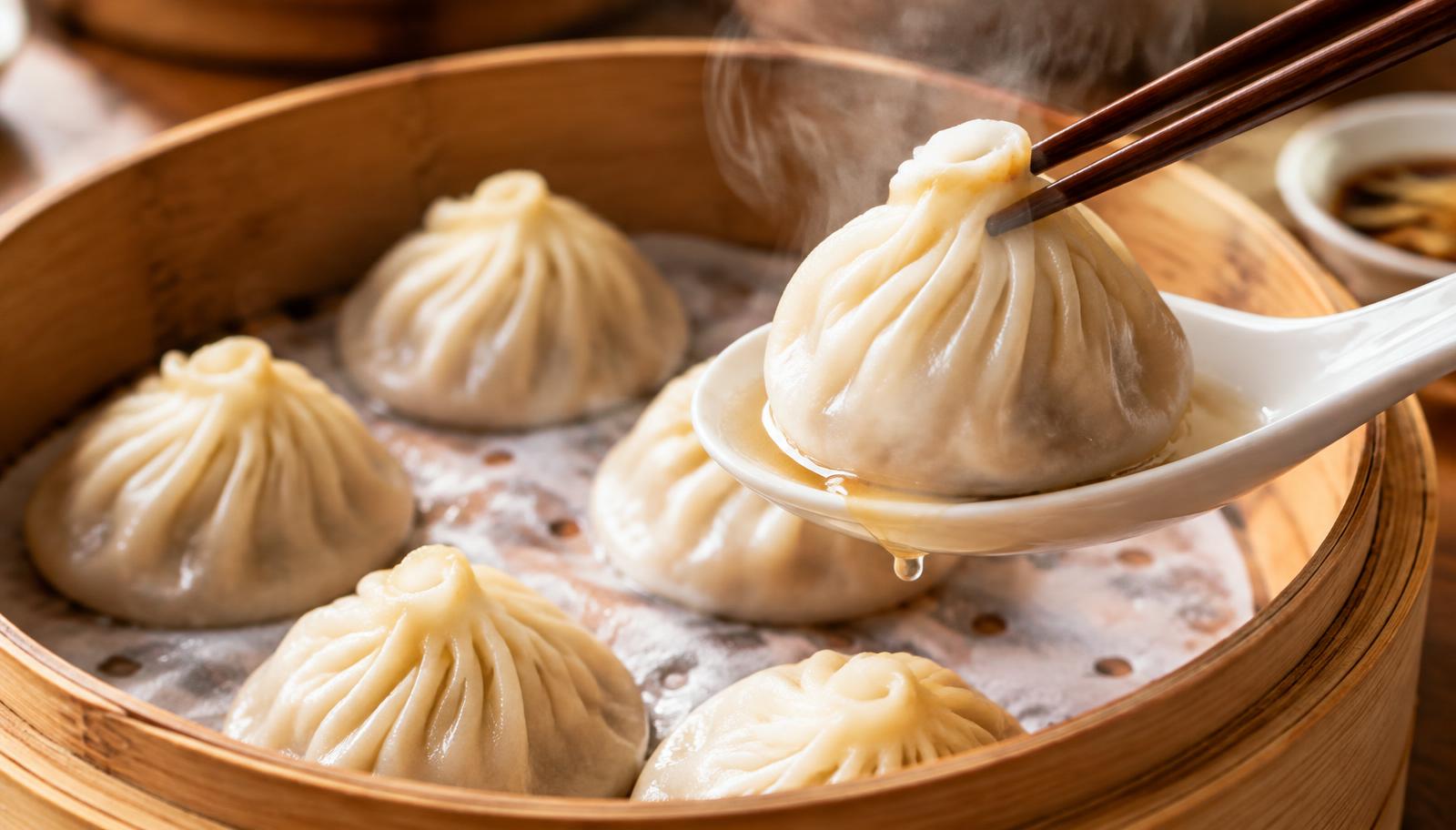
Ugly Dumpling soups center on wonton-style bowls, noodle soups, and the broth hidden inside its famous soup dumplings. This guide explains the difference between a soup bowl and a soup dumpling, how to choose a bowl for your group, and what to check before ordering. Prices are approximate, and the menu can differ by location.
Soup dumplings versus soup bowls
The most common confusion at Ugly Dumpling is the word "soup." Xiao long bao, listed on the dumplings menu, are dumplings with broth sealed inside the wrapper. They arrive in a steamer basket, not a bowl. A soup on the menu is a bowl of broth with wontons, noodles, vegetables, or protein served in it. Both are worth ordering, but they fill different roles in a meal.
If you want the signature experience, start with a basket of soup dumplings. If you want something warm and filling to share, or a lighter meal for one, a soup bowl is often the better choice. Many diners order one of each: dumplings for the table and a bowl for anyone who wants a complete meal in one dish.
Wonton soup and wonton-style bowls
Wonton soups usually pair delicate dumplings with a clear or lightly seasoned broth. Some menus list a spicy wonton option that uses chili oil instead of a clear broth. Before ordering, check whether the item is served in broth or dressed in sauce, because the two give very different results. A sauced wonton dish feels more like an appetizer, while a broth-based bowl is closer to a meal.
Ask about the filling if anyone in your group avoids pork or shellfish. Wonton fillings at Asian restaurants commonly include pork, shrimp, or both, and the menu name does not always say which. The allergens and nutrition guide explains why asking staff matters more than reading a label.
Noodle soups
Noodle soups combine broth, noodles, and a protein or vegetables. They are the most filling soups on a typical menu and can work as a full meal for one person. Look at the noodle type, the protein, and the spice level. Beef noodle soups tend to be rich and savory, while vegetable versions are lighter. If you prefer noodles without broth, the noodles and rice guide covers stir-fried and sauced options.
Noodle soups travel less well than dry dishes. If you are ordering for delivery, noodles can soften while they sit in the broth. Some restaurants pack the broth separately. If yours does not, eat soon after the order arrives, or choose pickup and a short drive. The delivery guide explains other packaging trade-offs.
Hot and sour and other classic soups
Some locations list classic soups such as hot and sour or egg drop as smaller cups or bowls. These work well as starters next to dumplings. Hot and sour soup balances vinegar tang with white pepper heat, and it often contains tofu, mushrooms, and egg. Egg drop soup is milder. Because recipes vary by kitchen, ask about the broth base if you are vegetarian. A soup with no visible meat can still be made with a meat-based stock.
Approximate soup prices
Soup prices depend on the size, the protein, and how you order. As a rough planning guide, smaller starter soups usually cost less than a dumpling basket, and full noodle soups are priced close to other entrees. Delivery apps often show higher prices than the counter. The Ugly Dumpling price guide has approximate ranges for every category. Confirm the final price at checkout.
Building a meal around soup
A balanced order for two might include one basket of soup dumplings, one noodle soup to share, and a crisp side such as cucumber salad or a scallion pancake. That gives you a mix of steamed, brothy, and crunchy textures without ordering too much. For a larger group, add one wok dish or rice bowl and a round of drinks from the boba menu.
Soups are also a good choice for a cold evening or for anyone who wants a gentler meal. Ask for less chili if you are sensitive to heat. Most kitchens can adjust spice on dishes that use chili oil as a finishing sauce, but not always on dishes where the spice is cooked into the broth.
Soup safety and serving tips
Fresh soup and soup dumplings are served very hot. Let a soup dumpling rest on your spoon, bite a small opening, and let the steam escape before you sip. For bowls, stir and wait a moment. Children in particular should be helped with soup dumplings. Our kids menu guide suggests easier choices for younger diners.
Vegetarian soup considerations
Plant-based diners should ask two questions: what is the broth made from, and are the dumplings or wontons in the bowl plant-based? A vegetable noodle soup may still use chicken or pork stock. If the restaurant cannot confirm a vegetable broth, choose a dry vegetable dish instead. The vegetarian and vegan guide lists the safest ordering strategies.
Planning your visit by occasion
Different occasions call for different orders. For a quick solo lunch, one basket of dumplings and a drink is usually enough, and pickup avoids the wait for a table. For a casual dinner for two, a shared basket of soup dumplings, one noodle or rice dish, and a vegetable side gives variety without leftovers. For a family meal, think in terms of shared plates: two or three dumpling baskets, a bun order, a starch, and a side or two. For a celebration or office lunch, read our catering guide and contact the branch a few days in advance, because large orders take time to prepare.
Timing matters as much as the order. Popular branches can be busy at weekend dinner hours, and new locations often draw lines in their first weeks. If you want a calmer experience, try an early weekday dinner or a late lunch. Check the hours guide first, because some branches open later on certain days or close earlier on Sundays.
Getting the best value
Value at a dumpling restaurant comes from ordering the right amount, not the cheapest item. Count pieces per basket and divide by the number of diners before ordering. Pickup is usually cheaper than delivery because it avoids delivery and service fees. Any real promotions are announced by the restaurant or the ordering platform, and our deals guide explains how to find current offers without relying on outdated coupon sites. If you visit often, the gift cards and rewards guide explains how to check whether your branch has a loyalty program.
Ordering etiquette and practical tips
Tell the staff about allergies before you order, not when the food arrives. Ask for chili oil or extra sauces on the side if your group has mixed spice preferences. For soup dumplings, keep a spoon handy and let each one cool before you bite. If you are taking food home, open the containers soon after you arrive, because trapped steam softens fried items. Reheat dumplings gently in a covered pan with a splash of water rather than in a microwave, which can toughen the wrappers.
How to use this independent guide
TheUglyDumplingMenu.com organizes public information about Ugly Dumpling restaurants into plain-language planning guides. We are an independent publisher, not the restaurant company, a franchise owner, or an ordering platform. That distinction matters because menus, prices, hours, and policies can change at an individual store faster than any outside reference can be updated. Use this page to understand your options, learn the vocabulary, and prepare good questions. Use the restaurant itself, or the ordering platform you are actually paying through, to confirm the final details.
Each guide on the site follows the same approach. We separate what a public source shows from what we suggest as a practical planning step. When a source does not establish a fact, we say so instead of filling the gap with a guess. When two sources disagree, we explain the difference and point you to the more authoritative one. That method is described in full in our editorial policy, and the people responsible for it are introduced on our About page.
A short checklist before you order
Start by choosing the exact restaurant. A city name in a search result is not enough, because some metro areas have more than one branch planned or open, and some listings belong to stores that are still marked as opening soon. Our locations directory lists every branch we track with its status, and the opening soon page separates announced stores from operating ones.
Next, check today's hours. Opening times can shift on holidays, during staffing changes, and around special events. Our hours guide collects the published schedules, but the store's own listing or a phone call is the final word. If you are ordering for pickup, leave a little buffer before closing time, because kitchens often stop taking orders before the doors lock.
Then review the menu with your group in mind. The full Ugly Dumpling menu guide explains each category, and the price guide gives approximate planning ranges. If anyone at the table has an allergy or a dietary restriction, read the allergens and nutrition guide and speak directly with staff before ordering. A menu label is not a guarantee about cross-contact in a busy kitchen.
Finally, compare the total, not the item price. Delivery apps, pickup, and dine-in can show different prices for the same dish, and fees, taxes, and tips can change the total a lot. Our delivery and pickup guide explains where those differences usually come from.
Explore related guides
If you are planning a first visit, the Ugly Dumpling dumplings guide is the best place to start, because soup dumplings are the signature category. The bao buns guide and the noodles and rice guide help you round out a meal. Drink lovers can read the boba and drinks guide. If you are eating plant-based, the vegetarian and vegan guide explains what to ask.
For practical questions, the frequently asked questions hub answers the most common searches in one place, and the Ugly Dumpling near me finder lets you search branches by city, state, or ZIP code. Our blog has longer articles on ordering strategy, menu comparisons, and city-by-city coverage.
Sources and verification notes
This page draws on the restaurant chain's own published location pages and menu documents, plus public ordering listings where they help illustrate typical prices. We review the material periodically, and the "last updated" date on each page shows the most recent editorial review. Nothing here should be read as an official statement, an offer, or a guarantee from Ugly Dumpling.
If you spot something outdated, email menupublishers@gmail.com with the page address, the restaurant, the detail that changed, and the date you saw it. A link to a public source or a redacted receipt helps us check the correction quickly. We cannot process orders, refunds, reservations, or job applications, and we cannot pass messages to restaurant staff. Those requests belong with the restaurant or platform involved. You can also use our contact page, which doubles as a directory of branch phone numbers.
Why readers trust this guide
Our guides are written and reviewed by a small editorial team that focuses only on Ugly Dumpling menu and location information. We do not accept payment from the restaurant to change our coverage, and we label approximate figures clearly. When we make a recommendation, such as which dishes travel well or how much to order for a group, we explain the reasoning so you can decide for yourself. When information is missing, we say so instead of guessing. That is why some answers on this site say "ask your branch." It is the honest answer when the restaurant has not published the detail.
We also design each page to be easy to scan. The quick answer at the top gives the short version, the sections below explain the details, and the FAQ covers the most common follow-up questions. If you need more context, the internal links on every page lead to the full menu guide, the price guide, the locations directory, and our longer blog articles. If this page helped you, consider bookmarking the FAQ hub for future visits.
Frequently Asked Questions
Are soup dumplings the same as soup?
No. Soup dumplings, or xiao long bao, hold broth inside the wrapper and come in a steamer basket. Soups are bowls of broth with noodles, wontons, or vegetables.
Which Ugly Dumpling soup is the most filling?
A noodle soup is usually the most filling, because it combines broth, noodles, and protein in one bowl. Starter soups are lighter.
Are the soups vegetarian?
Not always. A soup without visible meat can still use a meat-based broth. Ask the staff about the stock before you order.
Do noodle soups travel well for delivery?
Noodles can soften in the broth during delivery. Pickup with a short drive, or a restaurant that packs the broth separately, gives better results.
Is TheUglyDumplingMenu.com the official Ugly Dumpling website?
No. This is an independent informational guide. It is not affiliated with, endorsed by, or operated by Ugly Dumpling. Orders, refunds, reservations, and store-specific questions should go to the restaurant or the platform you use to buy.
How current is this information?
We review pages periodically and show a last-updated date on each one. Restaurant details can change between reviews, so confirm hours, prices, and availability with your chosen branch before you go.
How do I report an error?
Email menupublishers@gmail.com with the page link, the restaurant, the detail that is wrong, and the date you noticed it. A public source or a redacted receipt helps us check it.